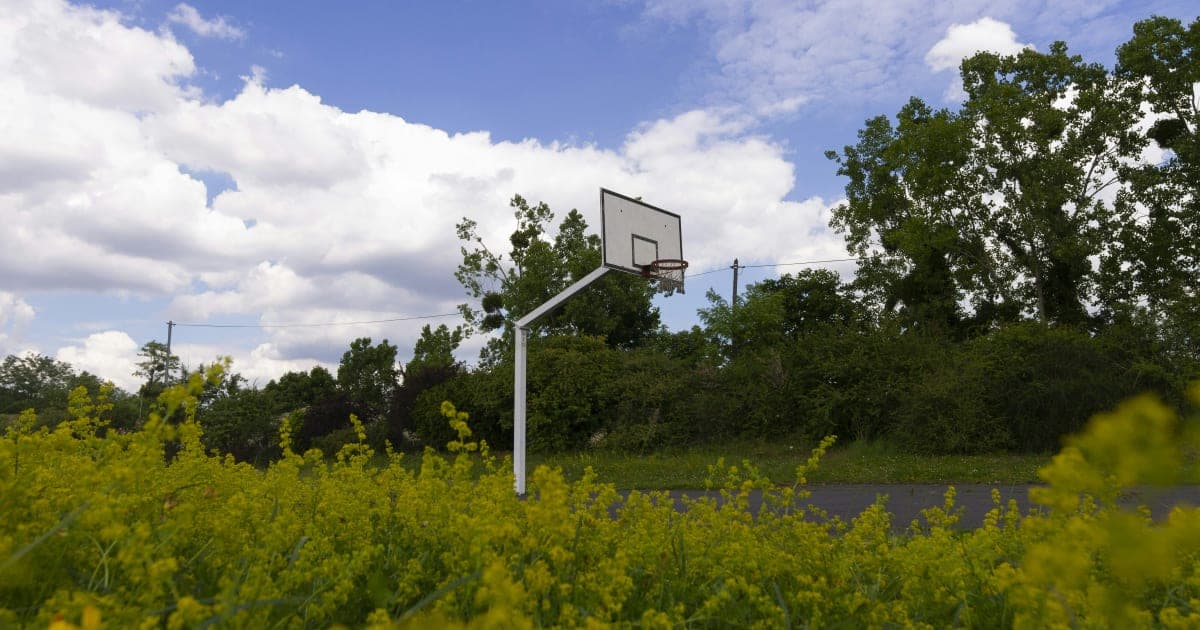
BIG BEND, WI - A proposal to construct a sprawling youth sports complex in the village of Big Bend, Wisconsin, has ignited a heated debate among residents, dividing the community over its potential economic benefits and its impact on the local landscape. The proposed development, which would include multiple baseball and softball fields, soccer pitches, and other athletic amenities, has been lauded by proponents as a potential boon for the local economy, attracting tournaments and visitors from across the Midwest. Opponents, however, express concerns about increased traffic, noise pollution, and the potential strain on local resources.
The project, spearheaded by a private development group, envisions a multi-million dollar complex designed to host regional and national youth sports tournaments. Developers argue that the complex would generate significant revenue for local businesses, including restaurants, hotels, and retail establishments. They also emphasize the positive impact on local youth, providing them with state-of-the-art facilities for athletic development.
"This complex represents a tremendous opportunity for Big Bend," stated Sarah Miller, a spokesperson for the development group, at a recent village board meeting. "It will not only bring economic prosperity to our community but also provide a valuable resource for our children and families. We believe this will make Big Bend a destination for youth sports, putting us on the map."
However, a vocal contingent of residents has voiced strong opposition to the project, raising concerns about the potential negative consequences. Traffic congestion, already a challenge in the village, is a primary worry. Opponents fear that the influx of visitors attending tournaments would overwhelm local roads and create significant delays.
"We're not anti-sports," explained resident Mark Johnson, a leader of the opposition group, "but this project is simply too big for our village. Our roads can't handle the extra traffic, our infrastructure is already strained, and the increased noise and light pollution will disrupt the peaceful character of our community. This is not sustainable."
Another key point of contention revolves around the environmental impact of the complex. The proposed location is currently a mix of agricultural land and natural habitats, and opponents argue that its development would lead to the loss of valuable green space and negatively affect local wildlife. Concerns have also been raised about potential stormwater runoff and its impact on local waterways.
The Big Bend Village Board is currently reviewing the project proposal and is expected to hold a series of public hearings to gather input from residents. The board will ultimately be responsible for deciding whether to approve the project, taking into consideration the potential economic benefits, environmental impact, and the concerns of the community.
The debate has intensified in recent weeks, with both sides organizing community meetings, circulating petitions, and engaging in online discussions. Proponents have emphasized the potential for job creation and increased tax revenue, while opponents have highlighted the potential negative impacts on quality of life and the environment.
The outcome of the Big Bend sports complex proposal remains uncertain. The village board faces a difficult decision, balancing the potential benefits of economic development with the concerns of residents who fear the project will irrevocably alter the character of their community. The decision will likely have a significant impact on the future of Big Bend, shaping its economic landscape and quality of life for years to come. The next public hearing is scheduled for next Tuesday at the Big Bend Village Hall. Residents are encouraged to attend and voice their opinions.