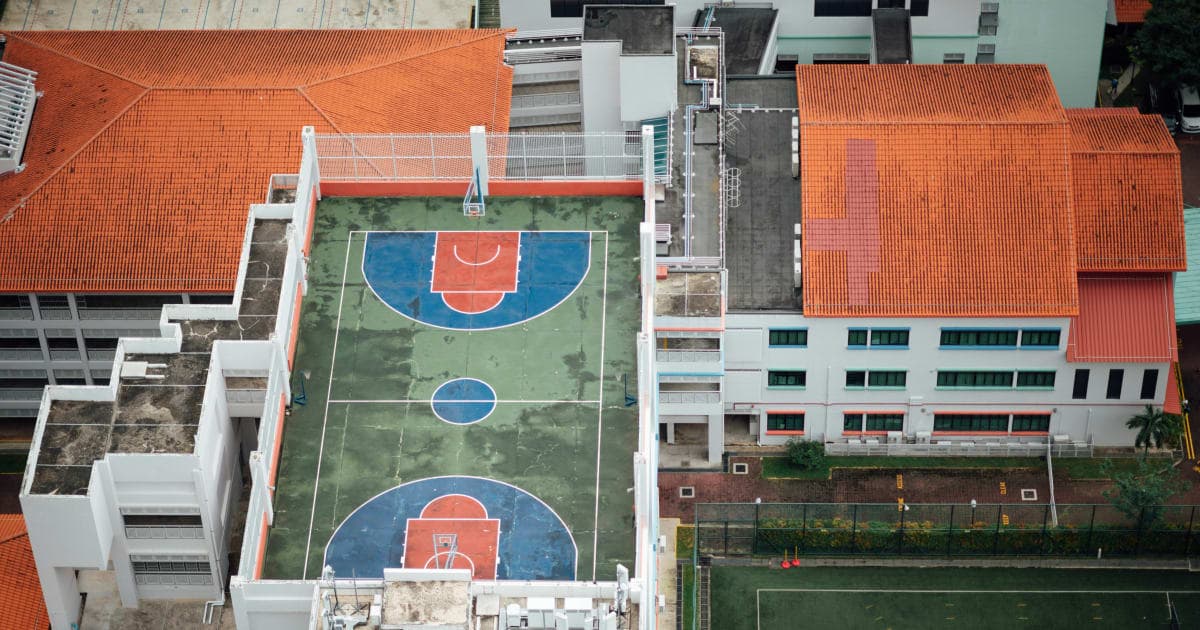
BIG BEND, WI – A proposed youth sports complex of unprecedented scale is stirring up a fierce debate in the Village of Big Bend, Wisconsin, leaving residents sharply divided over its potential benefits and drawbacks. The ambitious project, spearheaded by a private development group, envisions a sprawling complex featuring multiple baseball and softball fields, soccer pitches, basketball courts, volleyball courts, and supporting infrastructure, potentially drawing thousands of athletes and families to the small community southwest of Milwaukee.
While proponents tout the potential for economic growth and increased recreational opportunities for local youth, opponents express concerns about traffic congestion, noise pollution, environmental impact, and the potential strain on village resources.
The proposed complex, estimated to cost upwards of $30 million, would be located on a currently undeveloped parcel of land on the outskirts of the village. Developers argue that the complex would generate significant revenue through tournament fees, concessions, and increased spending at local businesses. They also emphasize the positive impact on local youth, providing them with state-of-the-art facilities and increased opportunities to participate in organized sports.
"This complex would be a game-changer for Big Bend," stated Mark Jensen, a spokesperson for the development group, at a recent village board meeting. "It would put our village on the map as a premier destination for youth sports, bringing in tourist dollars and creating jobs. More importantly, it would provide our kids with the facilities they deserve."
However, a vocal contingent of residents remains unconvinced. Concerns center around the potential for increased traffic on already congested village roads, particularly during peak tournament weekends. Opponents also worry about the noise levels generated by sporting events and the impact on the rural character of the community.
"We moved to Big Bend for the peace and quiet," said resident Sarah Miller, who lives near the proposed site. "We're worried about the constant noise, the traffic jams, and the overall disruption to our way of life. This complex is simply too big for our small village."
Environmental concerns have also been raised, with some residents questioning the impact of the development on local wetlands and wildlife habitats. The proposed site is located near a protected area, and opponents argue that the construction of the complex could have irreversible ecological consequences.
The Big Bend Village Board is currently reviewing the project proposal, considering its potential economic benefits, environmental impacts, and the concerns of local residents. Several public hearings have been held, drawing large crowds and passionate arguments from both sides of the issue.
Village President Dave Long stressed the importance of a thorough and balanced assessment. "We need to carefully weigh the potential benefits of this project against its potential costs," Long stated. "We're committed to making a decision that is in the best long-term interest of our entire community."
The board is expected to make a decision on the project in the coming weeks. The outcome will likely have a significant impact on the future of Big Bend, shaping its identity and economic landscape for years to come. Residents on both sides of the issue are anxiously awaiting the board's decision, hoping for a resolution that addresses their concerns and promotes the well-being of the community as a whole. The debate highlights the complex challenges faced by small towns grappling with growth and development, as they seek to balance economic opportunities with the preservation of their unique character and quality of life. The future of Big Bend hinges on the outcome of this decision, making it a pivotal moment for the village and its residents.