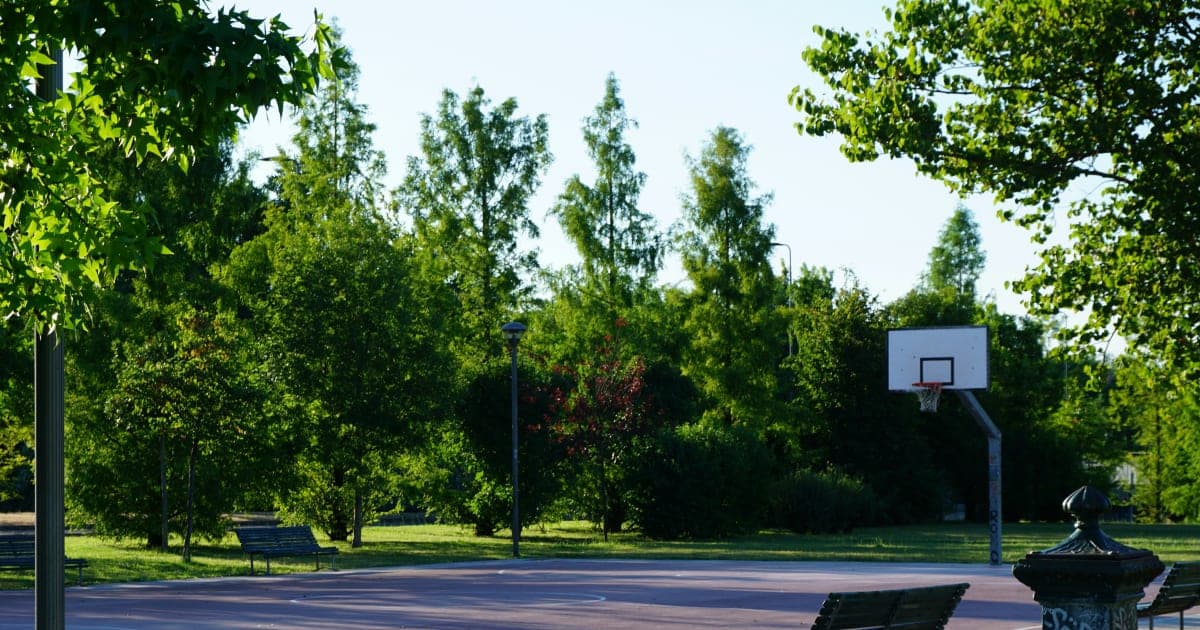
BIG BEND, WI – A proposed $30 million youth sports complex in the Village of Big Bend is generating significant debate among residents, pitting proponents who tout its economic and recreational benefits against those who raise concerns about traffic, noise, and potential environmental impacts. The ambitious project, envisioned as a regional hub for youth sports tournaments and leagues, is currently under review by the village board, with a series of public hearings scheduled to gauge community sentiment.
The complex, tentatively named "Big Bend Sports Park," would encompass multiple baseball and softball fields, soccer pitches, volleyball courts, and potentially an indoor training facility. Developers argue that the park would attract thousands of visitors annually, boosting local businesses, creating jobs, and providing much-needed recreational opportunities for Big Bend's youth. They point to similar successful sports complexes in other Wisconsin communities as evidence of the potential economic windfall.
"This is an investment in our future," said Mark Thompson, a spokesperson for the development group spearheading the project, at a recent village board meeting. "It's about more than just sports; it's about bringing economic vitality to Big Bend and creating a place where families can come together and enjoy healthy activities."
However, not all residents share this optimistic outlook. A vocal opposition group, "Concerned Citizens of Big Bend," has emerged, raising concerns about the potential negative consequences of the complex. Their primary worries revolve around increased traffic congestion on already strained local roads, potential noise pollution affecting nearby residential areas, and the environmental impact of constructing such a large facility on previously undeveloped land.
"We're not against youth sports, but this project is simply too big and too close to residential areas," said Sarah Miller, a leader of the Concerned Citizens group. "The village needs to thoroughly assess the impact on our quality of life before moving forward. We’re worried about the constant stream of cars, the noise from games and announcements, and the potential damage to our natural environment."
The environmental concerns center around the proposed location of the complex, which includes wetlands and woodlands. Opponents argue that construction could disrupt local ecosystems, impact water quality, and negatively affect wildlife habitats. The developers have stated that they are committed to minimizing environmental impact and will comply with all applicable regulations. However, residents remain skeptical.
The debate has also touched on financial considerations. While developers claim the complex will generate significant revenue for the village, some residents question the accuracy of these projections and worry about the potential for increased property taxes to cover any shortfalls. The village board has commissioned an independent economic impact study to provide a more objective assessment of the project's financial implications.
The public hearings scheduled for the coming weeks are expected to be heavily attended, with residents eager to voice their opinions and concerns. The village board has emphasized the importance of gathering community feedback before making a final decision on the project.
"We want to ensure that we're making the best decision for the long-term future of Big Bend," said Village President David Anderson. "We need to carefully weigh the potential benefits against the potential costs and listen to the concerns of all our residents."
The fate of the Big Bend Sports Park hangs in the balance, with the outcome likely to have a significant impact on the village's future development and quality of life for years to come. The village board expects to make a final decision on the proposal following the conclusion of the public hearing process and the completion of the economic impact study, expected sometime in the fall.