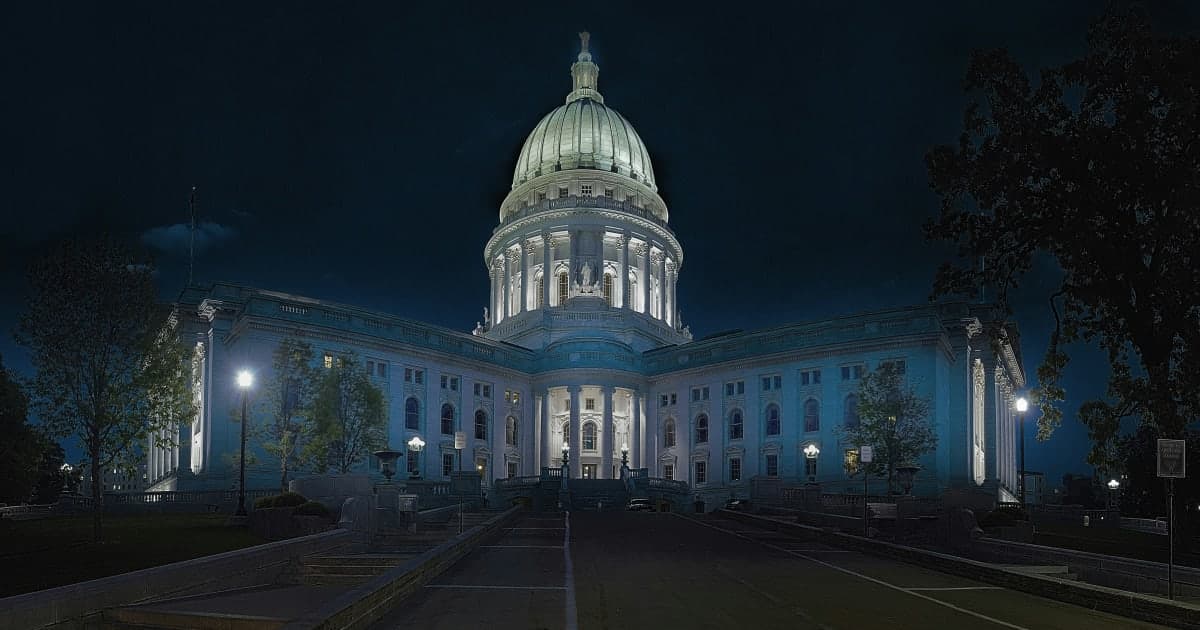
MADISON, WI – With the 2024 election cycle barely in the rearview mirror, political observers in Wisconsin are already turning their attention to the 2026 gubernatorial race. While the next election is still two years away, potential candidates are quietly positioning themselves, and key issues are beginning to emerge that will likely dominate the political conversation.
Governor Tony Evers, a Democrat, is eligible to run for a third term. However, he has yet to announce his intentions, leaving the door open for a potentially crowded Democratic primary. Should Evers choose to retire, several prominent Democrats are expected to vie for the nomination. Lieutenant Governor Sara Rodriguez, Attorney General Josh Kaul, and State Treasurer Sarah Godlewski are all considered potential contenders. Each brings a unique set of experiences and political strengths to the table. Rodriguez, with her background in public health, could focus on healthcare access and affordability. Kaul, as the state's top law enforcement officer, would likely emphasize public safety and criminal justice reform. Godlewski, with her financial expertise, could prioritize economic development and fiscal responsibility.
On the Republican side, the field is equally uncertain. While no clear frontrunner has emerged, several names are being floated as possible candidates. Congressman Mike Gallagher, representing Wisconsin's 8th Congressional District, is a name frequently mentioned. He is known for his conservative principles and national profile. Former Lieutenant Governor Rebecca Kleefisch, who unsuccessfully challenged Evers in 2022, is another possibility. Despite her previous defeat, she remains a prominent figure within the Republican Party and retains a strong base of support. State Senator Duey Stroebel, known for his fiscal conservatism, is also expected to consider a run.
The political climate in Wisconsin remains highly polarized. Recent elections have been closely contested, and the state is often considered a bellwether for national trends. The 2026 gubernatorial race is expected to be similarly competitive, with the outcome potentially hinging on voter turnout and the ability of candidates to appeal to undecided voters.
Several key issues are expected to shape the 2026 election. The economy will undoubtedly be a major focus, with candidates debating strategies for job creation, wage growth, and addressing inflation. Healthcare remains a perennial concern for Wisconsin voters, with access to affordable coverage and the future of the Affordable Care Act likely to be central to the debate. Education, particularly funding for public schools and addressing achievement gaps, will also be a significant issue. Furthermore, debates surrounding environmental regulations, renewable energy, and the impact of climate change are expected to feature prominently.
Beyond these broad issues, Wisconsin's unique agricultural landscape will also play a role. The state's rich farming history and the ongoing challenges faced by farmers will undoubtedly be addressed by candidates seeking to connect with rural voters. Specifically, the future of dairy farming, the impact of trade policies, and the need for sustainable agricultural practices will be key topics of discussion.
While the election is still two years away, early polling and fundraising figures will provide valuable insights into the potential strength of different candidates. Political action committees and advocacy groups are already mobilizing, preparing to spend significant resources on advertising and grassroots organizing.
The 2026 Wisconsin gubernatorial election promises to be a closely watched and fiercely contested race. With a wide-open field and several pressing issues facing the state, the election will shape the future of Wisconsin for years to come. The outcome will not only determine who leads the state government but also impact the direction of policy and the lives of Wisconsin residents. As the election cycle progresses, Wisconsinites can expect a robust debate on the issues and a concerted effort by candidates to earn their votes. The race is on.