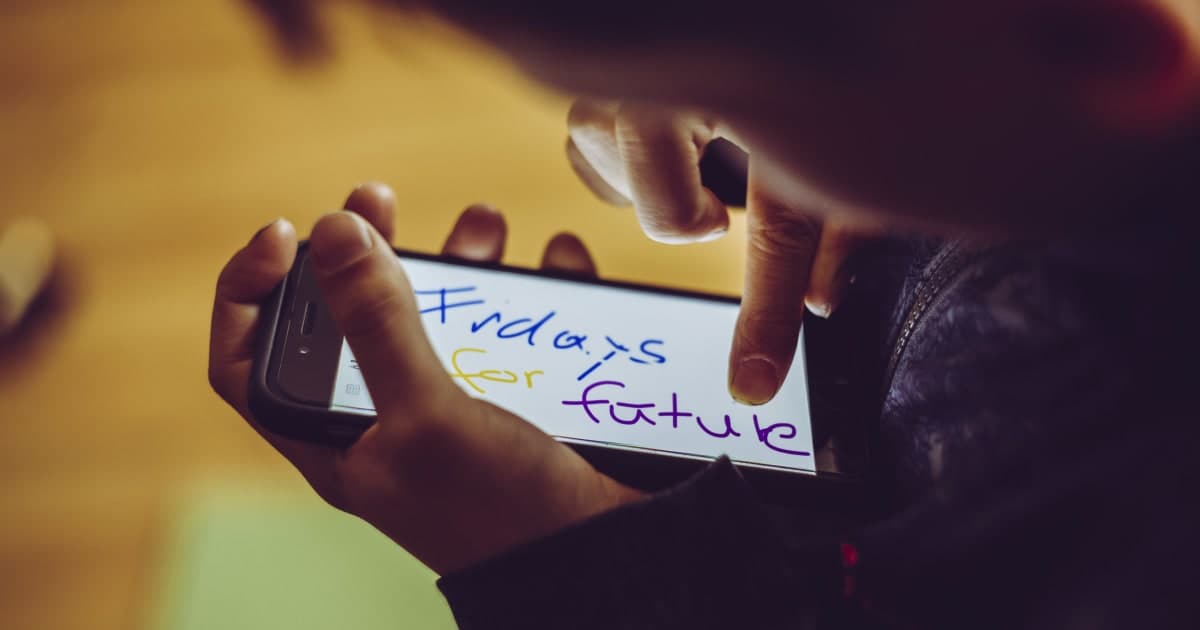
The rise of smartphones and instant messaging promised a golden age of communication, connecting people across vast distances with unprecedented ease. Yet, some experts and everyday users are increasingly questioning whether texting, one of the most ubiquitous forms of digital communication, truly enhances connection or, instead, fosters misunderstanding and weakens crucial communication skills.
While texting offers undeniable convenience, particularly for quick updates and logistical arrangements, its limitations are becoming increasingly apparent. The lack of non-verbal cues, such as tone of voice and body language, coupled with the constraints of character limits and the propensity for abbreviations, can easily lead to misinterpretations and escalated conflicts.
"We've lost the nuance," explains Dr. Emily Carter, a communications professor at State University. "A simple text message can be interpreted in countless ways depending on the recipient's mood and the context. Without the ability to hear a person's tone or see their facial expressions, it's easy to jump to conclusions and misattribute meaning."
One significant concern is the impact of texting on developing communication skills, especially among younger generations. While digital natives may be adept at navigating the complexities of emojis and internet slang, critics argue that constant reliance on abbreviated text-based communication hinders the development of crucial skills like active listening, empathy, and the ability to articulate complex thoughts and emotions effectively.
"Kids are growing up in a world where face-to-face interaction is increasingly replaced by screen time," says Lisa Rodriguez, a high school English teacher. "They're losing the art of conversation, the ability to read social cues, and the confidence to express themselves clearly and concisely in spoken language. Texting is a convenient tool, but it shouldn't be a substitute for real-world communication."
Furthermore, the asynchronous nature of texting can contribute to anxiety and stress. The pressure to respond immediately, the fear of missing important messages, and the ambiguity inherent in text-based communication can create a constant state of low-level anxiety, particularly for individuals prone to overthinking or those with existing mental health challenges.
The anonymity afforded by texting can also embolden negative behaviors, such as cyberbullying and online harassment. The lack of accountability and the ease with which one can hide behind a screen can lead to more aggressive and hurtful communication than might occur in a face-to-face interaction.
However, texting is not without its advantages. It provides a convenient and accessible means of communication for individuals with disabilities, allowing them to connect with others in ways that might not otherwise be possible. It also facilitates communication across time zones and geographical barriers, enabling people to stay in touch with loved ones and collaborate on projects remotely.
Moreover, texting has become an indispensable tool for emergency communication, allowing individuals to quickly and efficiently alert authorities to potential threats or request assistance in times of crisis.
So, is technology failing the communication test when it comes to texting? The answer is complex and nuanced. While texting offers undeniable benefits in terms of convenience and accessibility, its limitations and potential drawbacks must be carefully considered.
Experts recommend a balanced approach, emphasizing the importance of face-to-face communication whenever possible and cultivating mindful texting habits. This includes taking the time to carefully consider the wording and tone of messages, avoiding sarcasm or potentially ambiguous language, and being mindful of the recipient's potential interpretations.
Ultimately, the effectiveness of texting as a communication tool depends on how it is used. By being mindful of its limitations and prioritizing meaningful, face-to-face interactions, we can harness the power of technology to enhance, rather than hinder, our ability to connect with others. The key lies in finding a balance between the convenience of digital communication and the richness of human interaction.