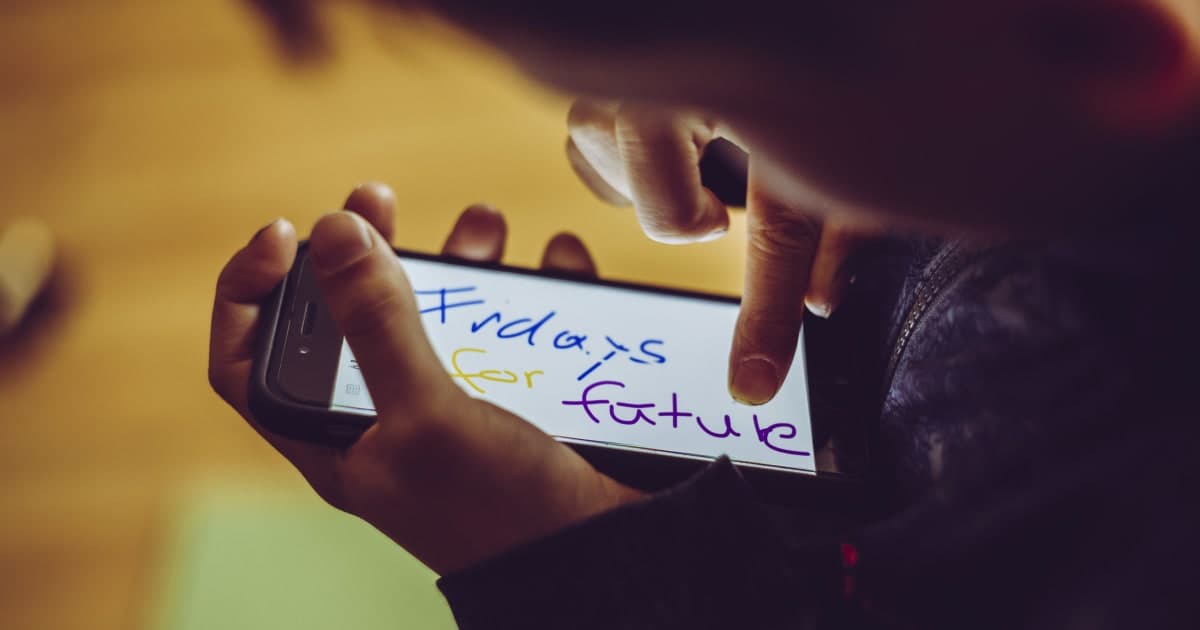
Silicon Valley, CA – Despite the ubiquity of smartphones and the ease of texting, concerns are growing about whether this dominant form of communication is actually diminishing our ability to engage in meaningful conversations. Critics argue that reliance on abbreviated language, emojis, and the asynchronous nature of text messaging is eroding essential communication skills and fostering a culture of superficial interactions.
For many Americans, texting has become the primary mode of communication, surpassing phone calls and even face-to-face conversations. The convenience of sending quick messages, sharing information instantly, and maintaining contact across distances has undeniably transformed how we interact. However, this convenience comes at a potential cost.
"While texting provides a quick and easy way to stay connected, it often lacks the nuances and emotional depth of a face-to-face or even a phone conversation," says Dr. Emily Carter, a communications professor at Stanford University. "The absence of vocal tone, body language, and immediate feedback can lead to misunderstandings and a diminished capacity for empathy."
The rise of texting has also fueled the widespread adoption of abbreviations and acronyms, such as "LOL," "BRB," and "OMG." While these shorthand notations save time and keystrokes, some argue that they contribute to a decline in writing proficiency and critical thinking skills. Furthermore, the heavy reliance on emojis to convey emotions can be seen as a substitute for articulating feelings in a clear and nuanced manner.
One concern is the impact on younger generations, who have grown up with texting as their primary form of communication. Educators have observed a decline in writing skills and a reduced attention span among students, attributing these issues, in part, to the constant bombardment of short, fragmented messages.
"We're seeing students who struggle to express themselves clearly and concisely in writing," says Sarah Miller, a high school English teacher in Sacramento, CA. "They're so accustomed to texting abbreviations and emojis that they have difficulty constructing coherent sentences and paragraphs."
The asynchronous nature of texting – the ability to send and receive messages at different times – also presents challenges. While this flexibility allows for communication on one's own schedule, it can also lead to delays in responses and a sense of detachment. The lack of immediate feedback can make it difficult to gauge the other person's reaction or to engage in a spontaneous exchange of ideas.
Furthermore, texting can create a sense of distance and isolation, even when individuals are physically present with each other. It's common to see people at dinner tables or social gatherings glued to their phones, engaging in text conversations instead of interacting with the people around them. This phenomenon has raised concerns about the erosion of social skills and the ability to build strong, meaningful relationships.
However, texting also offers undeniable benefits. It provides a vital lifeline for staying connected with loved ones, especially those who live far away. It allows for quick and efficient communication in emergency situations. And it can be a valuable tool for organizing events and coordinating schedules.
"It's not about demonizing texting altogether," Dr. Carter clarifies. "It's about being mindful of its limitations and recognizing the importance of balancing text communication with other forms of interaction, such as face-to-face conversations and phone calls."
Ultimately, the key to navigating the challenges of texting lies in moderation and conscious communication. By being aware of the potential pitfalls and prioritizing meaningful interactions, we can leverage the benefits of texting without sacrificing our communication skills or our ability to connect with others on a deeper level. The technology itself is not inherently flawed, but rather, it's how we choose to utilize it that determines its impact on our relationships and our overall well-being.