The retail landscape continued its dramatic reshaping in 2025, with a mix of national chains and regional favorites succumbing to evolving consumer habits, economic pressures, and the relentless rise of e-commerce. Several prominent companies announced closures, leaving vacant storefronts across the country and impacting thousands of employees. While some closures were anticipated due to ongoing restructuring efforts, others came as a surprise, highlighting the volatile nature of the modern retail environment.
Among the most notable closures was department store chain, Everbright Retail, which announced the liquidation of its remaining 120 stores nationwide in June. Citing declining foot traffic and an inability to compete with online giants, Everbright Retail had struggled for years to adapt to changing consumer preferences. The announcement triggered a wave of clearance sales and job losses across numerous states. The company attributed its downfall to a failure to effectively integrate its online and brick-and-mortar operations, ultimately losing market share to more agile competitors.
Another significant departure from the retail scene was the closure of regionally popular home goods chain, Hearth & Haven. Known for its rustic aesthetic and curated selection, Hearth & Haven had enjoyed a loyal following in the Midwest and Southeast. However, the company faced increasing competition from larger national retailers offering similar products at lower prices. In a statement released in August, Hearth & Haven’s CEO cited rising supply chain costs and a slowdown in the housing market as contributing factors to the company's financial difficulties. All 75 Hearth & Haven locations were shuttered by the end of September.
Smaller, specialized retailers also felt the pinch. Bookbinder's Emporium, a chain of independent bookstores with a strong presence in college towns, closed 20 of its 40 locations in November. The company faced the challenge of competing with both online book retailers and the increasing popularity of e-books. While Bookbinder's Emporium retained its loyal customer base through community events and author signings, the overall decline in physical book sales proved too difficult to overcome.
Analysts point to several factors contributing to the ongoing struggles in the retail sector. The shift towards online shopping, accelerated by the COVID-19 pandemic, continues to reshape consumer behavior. Increased operating costs, including rent, labor, and inventory, are also squeezing retailers' profit margins. The rise of fast-fashion and the constant demand for new trends further complicates inventory management and puts pressure on companies to offer competitive pricing.
"The retail industry is undergoing a fundamental transformation," said Maria Rodriguez, a retail analyst at Market Insights Group. "Companies that fail to adapt to changing consumer preferences and invest in omnichannel strategies are at a significant disadvantage. We're seeing a consolidation of market share among a few key players, while smaller and less adaptable retailers are struggling to survive."
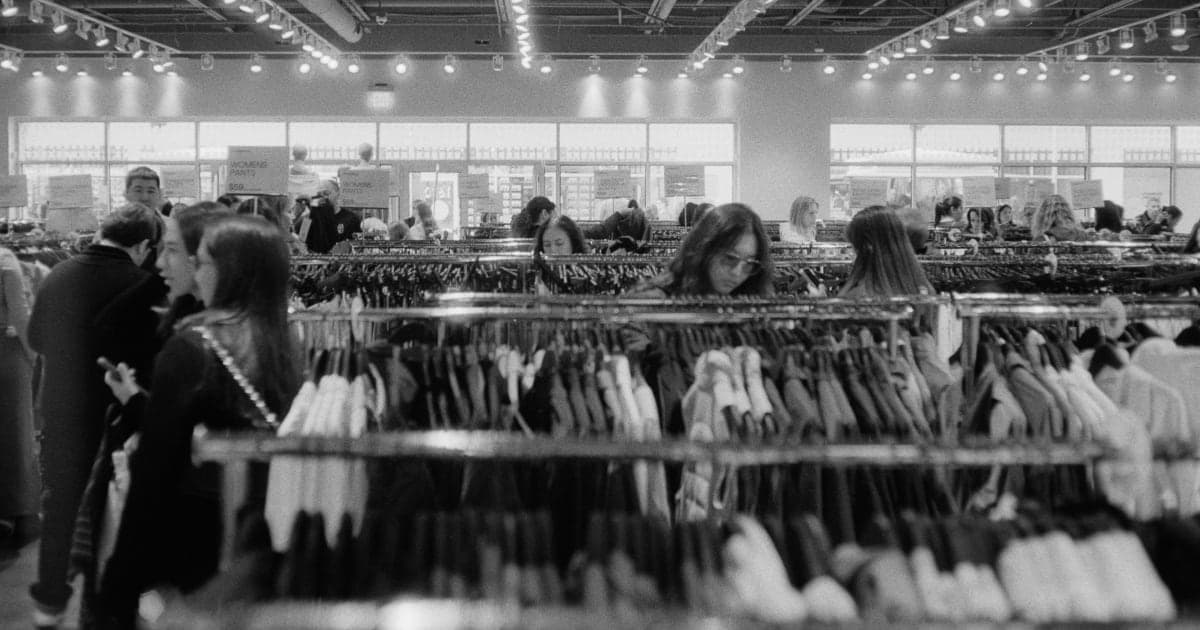
The closures have had a significant impact on local communities, leaving vacant storefronts in shopping malls and downtown areas. Many local economies are grappling with the loss of jobs and the decline in sales tax revenue. Efforts are underway in some communities to revitalize these spaces and attract new businesses.
Looking ahead to 2026, experts predict that the retail landscape will continue to evolve. Retailers are increasingly focusing on creating unique in-store experiences, leveraging technology to enhance customer engagement, and optimizing their supply chains to improve efficiency. While the challenges facing the retail sector remain significant, there are also opportunities for innovative and adaptable companies to thrive in the new era of commerce. The key to survival appears to be a proactive approach to embracing change and focusing on delivering value and convenience to increasingly discerning consumers.