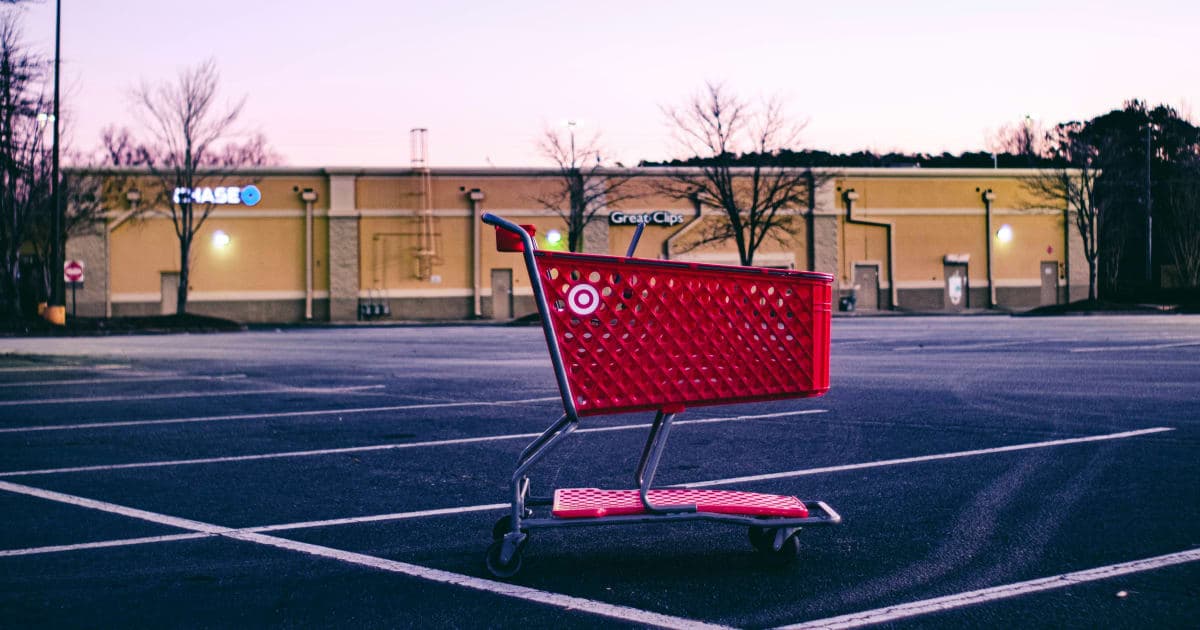
Several national and regional retail chains succumbed to challenging economic conditions and evolving consumer preferences in 2025, marking another year of significant shifts in the American retail landscape. From iconic department stores to specialized retailers, a variety of businesses announced closures, leaving behind empty storefronts and impacting communities across the country.
The year's retail casualties highlight the ongoing pressures facing brick-and-mortar businesses, including rising operational costs, increased competition from e-commerce giants, and changing consumer shopping habits. While some companies were able to adapt and thrive, others struggled to maintain profitability in a rapidly changing market.
One of the most notable closures was that of "Grand Mercantile," a department store chain with a history spanning over a century. Facing declining sales and an inability to compete with online retailers, the company announced the closure of all its remaining 75 stores in January, impacting thousands of employees. Grand Mercantile cited outdated business practices and a failure to connect with younger consumers as contributing factors to its demise.
"This was a difficult decision, but ultimately necessary to address the financial realities facing our company," said CEO Amelia Harding in a released statement. "We explored all available options, but unfortunately, we were unable to find a sustainable path forward."
Another major player to file for bankruptcy and subsequently liquidate was "Sports Zone," a sporting goods retailer with a strong presence in the Midwest. While the pandemic initially boosted sales of home fitness equipment and outdoor gear, the company struggled to maintain momentum as consumers returned to pre-pandemic spending habits. Intense competition from online retailers and big-box stores offering similar products at lower prices further eroded Sports Zone's market share.
Smaller regional chains also felt the squeeze. "Craft Haven," a craft supply retailer with 20 locations across the Southeast, announced it would be closing its doors in the spring. The company blamed rising supply chain costs and decreased foot traffic for its struggles. Similarly, "Book Nook," a beloved independent bookstore chain with a handful of stores in New England, cited the increasing dominance of online booksellers and the rising cost of rent as reasons for its closure.
Experts point to several factors contributing to the ongoing challenges in the retail sector. The rise of e-commerce has fundamentally altered the way consumers shop, with many preferring the convenience and lower prices offered by online retailers. This trend has forced brick-and-mortar stores to invest heavily in their online presence and offer more personalized experiences to attract customers.
Inflation also played a significant role in the struggles of many retailers in 2025. Rising prices for goods and services have put a strain on consumers' wallets, leading them to cut back on discretionary spending. This, in turn, has impacted the sales of retailers selling non-essential items.
Furthermore, some analysts suggest that over-expansion and poor management decisions contributed to the downfall of certain companies. Failing to adapt to changing consumer tastes, neglecting online channels, and accumulating excessive debt all played a role in the demise of struggling retailers.
The closures have had a ripple effect on local economies, resulting in job losses and reduced tax revenues for municipalities. Empty storefronts can also create a sense of blight and discourage investment in affected areas.
Looking ahead, experts predict that the retail landscape will continue to evolve, with a greater emphasis on omnichannel experiences that seamlessly integrate online and offline shopping. Retailers that can adapt to these changes and offer unique value propositions will be best positioned to succeed in the future. Those that fail to innovate and meet the evolving needs of consumers are likely to face an uncertain future. The closures of 2025 serve as a stark reminder of the dynamic and competitive nature of the retail industry and the challenges faced by businesses navigating a rapidly changing market.