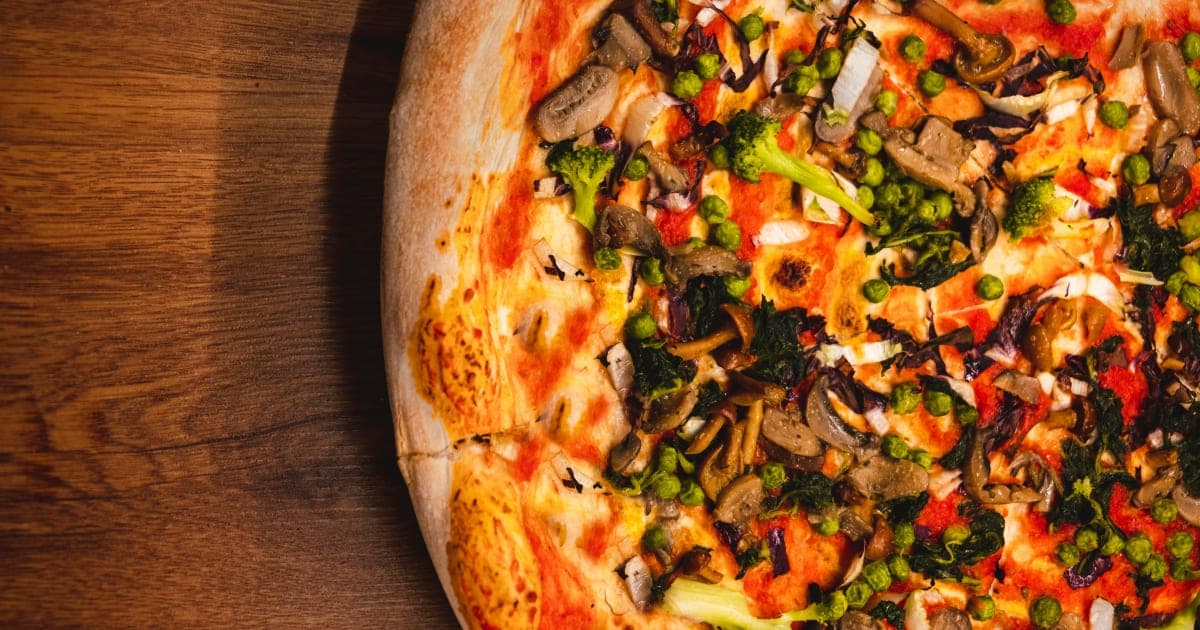
The pizza industry, often seen as a traditional cornerstone of American cuisine, is poised for a dramatic transformation driven by rapid advancements in technology. By 2026, expect significant changes in how pizzas are made, ordered, and delivered, thanks to artificial intelligence, automation, and a laser focus on personalized customer experiences. Industry analysts are forecasting a future where robots handle prep work, AI anticipates cravings, and deliveries are faster and more efficient than ever before.
These predictions, while ambitious, are rooted in current trends and ongoing development. The increasing demand for convenience, coupled with labor shortages and a growing acceptance of automation across various sectors, is creating fertile ground for technological disruption in the pizza business.
One of the most significant changes projected is the increased adoption of robotics in pizza preparation. Experts predict that robots will handle tasks such as dough stretching, sauce application, and topping placement. This automation aims to improve efficiency, consistency, and hygiene, reducing reliance on human labor and potentially lowering production costs.
"We're already seeing initial deployments of robotic pizza-making systems," says Maria Hernandez, a food technology analyst at Market Insights Group. "By 2026, these systems will be far more sophisticated and integrated into the overall kitchen workflow. The aim isn't to replace human workers entirely, but to free them up for more complex tasks and customer interaction."
Beyond robotic assembly lines, artificial intelligence is predicted to play a crucial role in anticipating customer needs and optimizing operations. AI-powered ordering systems will analyze past purchase data, location, and even real-time events like weather to suggest personalized pizza combinations and deals. Imagine your pizza app suggesting a spicy pepperoni pizza on a cold day or a lighter vegetable option after a week of heavy eating.
This data-driven approach extends beyond individual customers. AI will also be used to optimize ingredient inventory, predict peak demand times, and manage delivery routes for maximum efficiency. This could lead to reduced food waste, faster delivery times, and improved overall profitability for pizza businesses.
The final major prediction revolves around increased customization. Customers are increasingly demanding control over their food choices, and the pizza industry is expected to respond with even more options for crusts, sauces, toppings, and dietary preferences. Technology will play a vital role in facilitating this level of personalization.
Online ordering platforms will offer intuitive interfaces for building custom pizzas, allowing customers to experiment with different combinations and visualize the final product. 3D printing technology, while still in its early stages for food applications, could potentially be used to create unique pizza shapes and toppings on demand.
However, the integration of these technologies also presents challenges. Concerns about job displacement due to automation need to be addressed through workforce retraining programs and the creation of new roles in technology maintenance and support. Data privacy is another critical consideration, as AI-powered systems collect and analyze vast amounts of customer information. Businesses will need to prioritize data security and transparency to maintain consumer trust.
Furthermore, the initial investment in these technologies can be substantial, potentially creating a divide between larger chains and smaller, independent pizzerias. Access to funding and technical expertise will be crucial for ensuring that the benefits of technological innovation are shared across the industry.
Despite these challenges, the long-term outlook for the pizza industry remains positive. By embracing AI, automation, and customization, pizza businesses can enhance efficiency, improve customer satisfaction, and adapt to the ever-changing demands of the modern consumer. The pizza of 2026 will be a far cry from the traditional pie we know today, and the future of pizza promises to be both delicious and technologically advanced.