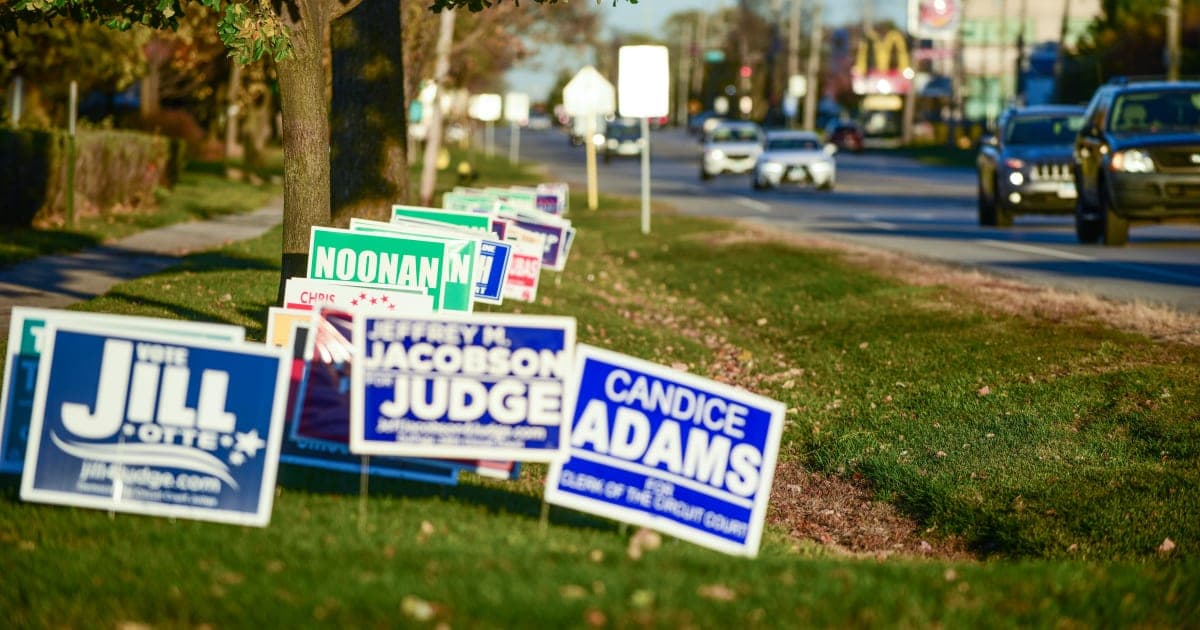
Oregon's political scene is already buzzing with activity as the state looks ahead to the 2026 elections. From hotly contested gubernatorial races to crucial ballot measures, the next election cycle promises to be a pivotal moment for the Beaver State. Here are five key areas to watch that will shape the future of Oregon politics.
**1. The Governor's Race: A Wide-Open Contest**
With Governor Tina Kotek facing re-election, the race for Oregon's highest office is expected to be fiercely competitive. Kotek, a Democrat, narrowly won in 2022 against Christine Drazan (R) and Betsy Johnson (I), and is likely to face strong challenges from both parties. The Republican party is already searching for viable candidates. A number of state senators and business leaders have been mentioned, but no clear frontrunner has emerged.
Independent candidates could also make a significant impact, potentially siphoning votes from the major parties. The success of Johnson in the 2022 election, despite not winning, proves that Oregon voters are willing to consider alternatives to the two-party system. Key issues likely to dominate the gubernatorial debate include Oregon's persistent homelessness crisis, public safety concerns in major cities, and the rising cost of living.
**2. Legislative Battles: Control of the House and Senate Up For Grabs**
Oregon's state legislature is also up for grabs in 2026, with all House seats and a portion of the Senate seats being contested. Currently, Democrats hold a majority in both chambers, but Republicans are aiming to chip away at that advantage. Control of the legislature will be crucial for shaping policy on key issues such as education funding, environmental regulations, and healthcare access.
Redistricting could play a significant role in determining the outcome of these races. Depending on how the boundaries are drawn, certain districts could become more favorable to one party or the other. Campaign finance regulations will also be closely watched, as both parties seek to raise the necessary funds to compete effectively in these races.
**3. Ballot Measures: Direct Democracy in Action**
Oregon is known for its robust system of direct democracy, and the 2026 election is likely to feature a number of significant ballot measures. These measures could address a wide range of issues, from tax policy to marijuana regulation to campaign finance reform.
The outcome of these ballot measures can have a profound impact on the state's political and economic landscape. Citizen-initiated measures often reflect the concerns of grassroots movements and can force lawmakers to address issues that might otherwise be ignored. Expect high-profile campaigns on both sides of these issues, with significant financial resources being poured into influencing the outcome.
**4. The Urban-Rural Divide: Bridging the Gap**
The deep divide between urban and rural Oregon continues to be a defining feature of the state's political landscape. This divide is evident on issues such as resource management, economic development, and cultural values. Bridging this gap will be a key challenge for Oregon's political leaders in the coming years.
Candidates who can effectively communicate with voters across the urban-rural divide and offer solutions that address the concerns of both communities will be well-positioned for success. This requires understanding the unique challenges facing different regions of the state and crafting policies that benefit all Oregonians. Issues like water rights and timber harvesting are constantly on the minds of rural Oregonians, while affordable housing and transportation are typically the focus of city voters.
**5. The Youth Vote: A Growing Force**
Oregon's youth vote is becoming an increasingly important factor in state elections. Young voters are more likely to support progressive policies and are highly engaged on issues such as climate change, social justice, and education reform. Mobilizing the youth vote will be a key priority for both parties in 2026.
Efforts to register young voters and encourage them to participate in elections will be critical. Candidates who can connect with young people on social media and address their concerns will have a significant advantage. The youth vote could be the deciding factor in several close races, making it a crucial demographic to watch in the lead-up to the 2026 election.


