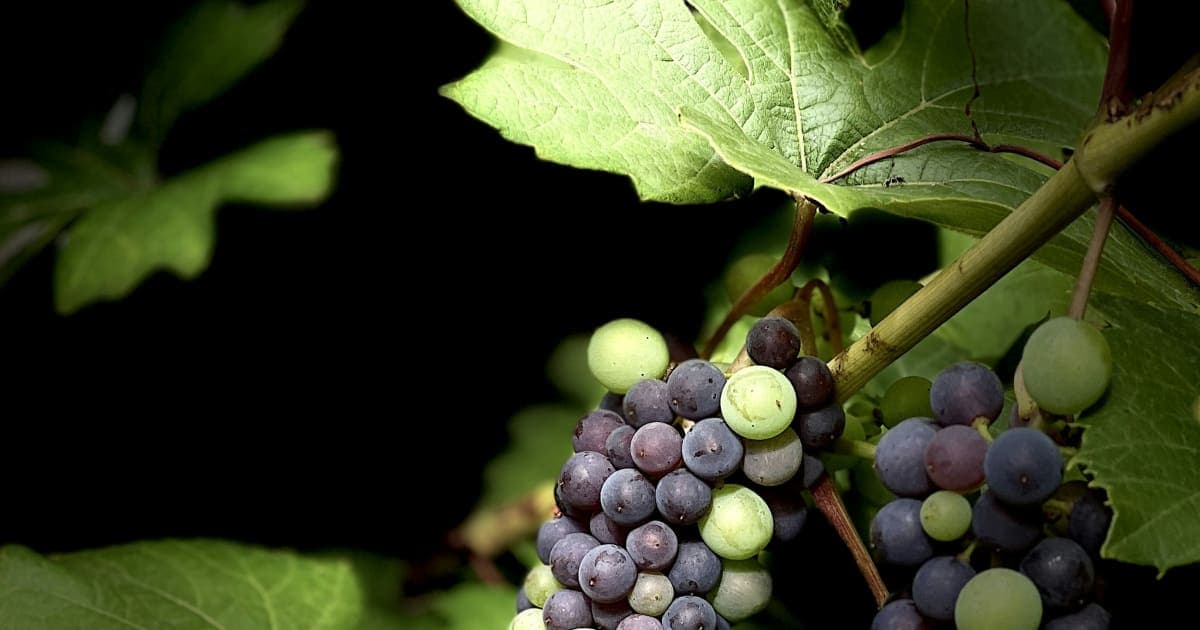
NAPA VALLEY, CA – Napa Valley, renowned for its premium wines and picturesque vineyards, is facing a growing challenge: a significant oversupply of grapes. The glut, driven by factors ranging from evolving consumer preferences to recent bumper harvests, is putting pressure on grape prices and raising concerns among growers about the long-term viability of their businesses.
The issue stems from a complex interplay of market forces. On the demand side, wine consumption patterns are shifting. While overall wine sales in the United States remain robust, younger consumers are increasingly opting for alternative beverages like craft beer, spirits, and ready-to-drink cocktails. This trend has particularly impacted the demand for some of Napa’s signature varietals, like Cabernet Sauvignon, traditionally priced at the higher end of the market.
"We're seeing a definite shift in what consumers are reaching for," explains Maria Rodriguez, a wine industry analyst with Global Beverage Insights. "The younger demographic is more experimental and price-conscious, leading them towards different alcoholic beverage categories. This has created a slowdown in growth for some of the classic Napa wines."
Compounding the demand issue are recent years of plentiful harvests. Favorable weather conditions have resulted in larger grape yields than usual, further exacerbating the existing oversupply. The increased volume of grapes has driven down prices, impacting the profitability of vineyards, particularly smaller, family-owned operations.
"The cost of farming is only going up, with labor, water, and fertilizer all seeing price increases," says John Davis, a third-generation Napa Valley grape grower. "When you combine those rising costs with lower prices for our grapes, it creates a very difficult situation for many growers. We're facing tough decisions about the future of our farms."
The Napa Valley Vintners, a trade association representing wineries in the region, acknowledges the challenges and is working to address the situation. Initiatives include promoting Napa Valley wines through targeted marketing campaigns, exploring new export markets, and encouraging innovation in winemaking to appeal to changing consumer tastes.
"We understand the concerns of our members and are committed to supporting them through this challenging period," says Teresa Thompson, CEO of the Napa Valley Vintners. "We are actively pursuing strategies to increase demand for Napa Valley wines and ensure the long-term sustainability of our region's iconic industry."
However, some industry experts believe more drastic measures may be necessary. Suggestions include vine removal programs to reduce the overall grape supply, a shift towards more diverse varietals that cater to evolving consumer preferences, and a greater emphasis on direct-to-consumer sales to bypass traditional distribution channels.
The current grape glut is also raising concerns about the potential for price wars and the erosion of Napa Valley's premium image. If wineries are forced to lower prices significantly to move inventory, it could damage the perception of Napa wines as high-quality, luxury products.
"The Napa Valley brand is built on excellence and exclusivity," warns Robert Miller, a professor of wine business at the University of California, Davis. "It's crucial that the region maintains its commitment to quality and doesn't compromise its reputation in an attempt to address the short-term challenges of the oversupply."
The situation remains fluid, and the long-term impact on Napa Valley's wine industry is uncertain. However, it is clear that the region faces a critical juncture. The ability of growers, wineries, and industry organizations to adapt to changing market conditions and implement effective strategies will determine the future of Napa Valley's iconic wine industry. The coming years will be crucial in shaping the landscape of this renowned wine region.