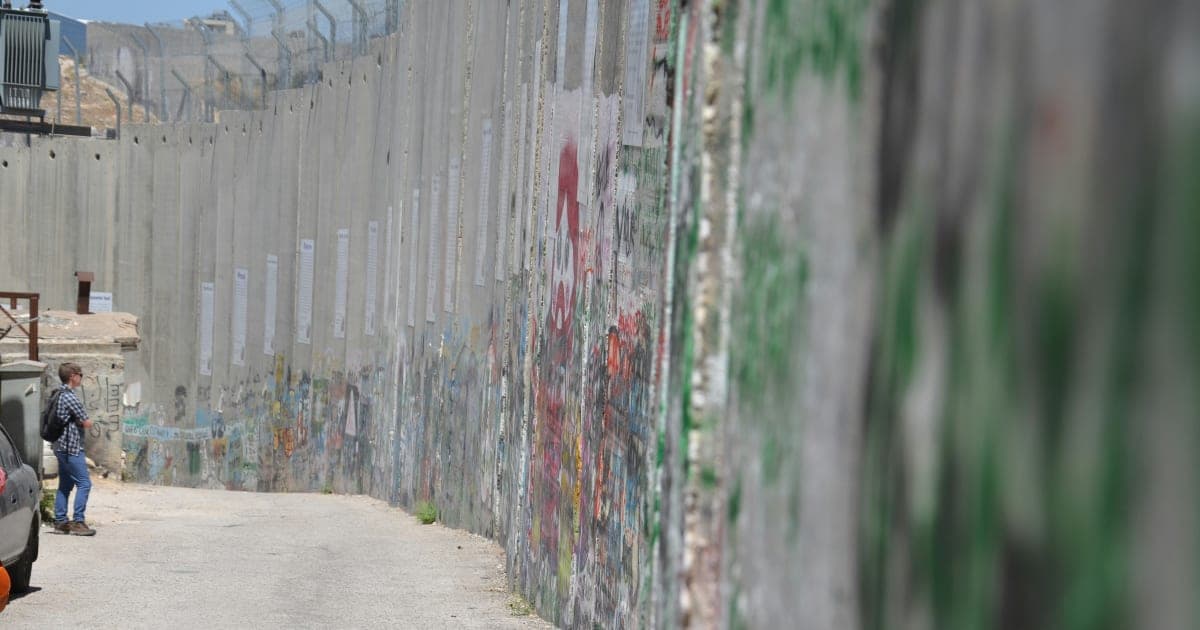
RAMALLAH, West Bank – Marwan Barghouti, a prominent Palestinian figure currently serving multiple life sentences in an Israeli prison, continues to exert a significant influence on Palestinian politics, despite his physical isolation. Analysts and observers say Barghouti remains a powerful symbol of resistance and a potential unifying force in a fractured political landscape, even from behind bars.
Barghouti, 64, a leader in the Fatah movement, was convicted by an Israeli court in 2004 on charges of murder and involvement in terrorist activities during the Second Intifada. He was sentenced to five life sentences plus 40 years. Despite his conviction and imprisonment, many Palestinians view Barghouti as a political prisoner and a national hero. His unwavering stance against the Israeli occupation and his consistent calls for Palestinian unity have cemented his position as a respected, if controversial, figure.
"Barghouti is a living legend for many Palestinians," said Dr. Hala Abu Taleb, a political science professor at Birzeit University. "He embodies the struggle for freedom and self-determination. His voice, even muffled by prison walls, resonates deeply with the Palestinian public."
His continued influence stems from several factors. First, his long history of activism within Fatah, including his role in the First Intifada, has earned him widespread respect within the movement. Second, his imprisonment has amplified his image as a symbol of sacrifice for the Palestinian cause. Third, and perhaps most importantly, Barghouti has consistently advocated for a unified Palestinian front, a message that resonates particularly strongly given the deep divisions between Fatah, which controls the Palestinian Authority in the West Bank, and Hamas, which governs the Gaza Strip.
The possibility of Barghouti's release in any future prisoner exchange deal with Israel is a constant topic of speculation and political maneuvering. His release would undoubtedly reshape the Palestinian political landscape, potentially positioning him as a leader capable of bridging the Fatah-Hamas divide and revitalizing the peace process with Israel. However, given the current political climate and the hardline stances of both the Israeli and Palestinian governments, such a scenario remains highly unlikely.
"The Israelis see Barghouti as a dangerous terrorist, and they are unlikely to release him willingly," said Khaled Elgindy, a senior fellow at the Middle East Institute in Washington D.C. "His release would require a significant breakthrough in Israeli-Palestinian relations, which seems improbable at the moment."
Despite the challenges, Barghouti's influence is evident in recent events. He has reportedly played a role in mediating internal Fatah disputes and has issued statements calling for unity in the face of Israeli policies. His pronouncements are often widely circulated and debated within Palestinian society.
Looking ahead, Barghouti's continued relevance raises important questions about the future of Palestinian leadership. With President Mahmoud Abbas aging and facing declining popularity, the question of who will succeed him is a central concern. While imprisoned, Barghouti remains a viable, if unconventional, contender for leadership, representing a potent challenge to the established political order.
The debate surrounding Barghouti highlights the complexities and contradictions inherent in the Israeli-Palestinian conflict. He is seen by many Palestinians as a freedom fighter, while Israel views him as a convicted terrorist. This fundamental difference in perspective underscores the deep divisions that continue to fuel the conflict. Whether Barghouti will ever be released remains uncertain, but his enduring influence on Palestinian politics is undeniable. He is a reminder that even in confinement, a powerful symbol can continue to shape the course of history.


